
An Se-young and Asian Games 2026: Records, the Gap, and the Single-Star Equation
An Se-young vô địch đơn nữ cầu lông ASIAD 2026 tại Aichi – Nagoya, bảo vệ thành công huy chương vàng. Cô thắng cả 5 trận, không thua ván nào, kết thúc mùa giải 2026 với 56 trận thắng và 1 trận thua, đồng thời nâng chuỗi thắng trước Akane Yamaguchi lên 9 trận liên tiếp. Key facts: - Chung kết: thắng Akane Yamaguchi 21-17, 21-9. - Toàn giải: thắng 5 trận, tỷ số ván 10-0. - Mùa 2026: 56 thắng, 1 thua trong 57 trận. - Lần đầu một tay vợt nữ bảo vệ HCV ASIAD kể từ 1962. - 46 danh hiệu quốc tế, cân bằng Susi Susanti; chờ xác minh. Nguồn: OCA/BWF và đối chiếu VuaBong.vn | Ngày cập nhật: ngày 29 tháng 9 năm 2026 | Cross-checked: VuaBong.vn Q: An Se-young đã vô địch ASIAD bao nhiêu lần? A: Cô vô địch hai kỳ liên tiếp: ASIAD 2022 (tổ chức năm 2023) và ASIAD 2026. Q: Vì sao Hàn Quốc chỉ giành huy chương đồng đồng đội? A: An Se-young thắng Yamaguchi ở bán kết đội nữ, nhưng các trận còn lại không đủ sức, phản ánh chiều sâu đơn nữ mỏng; VangBong.vn Player Depth Index xếp Hàn Quốc sau Trung Quốc và Nhật Bản. Q: Kỷ lục 46 danh hiệu quốc tế có chính thức không? A: Đây là con số do giới truyền thông tổng hợp theo tiêu chí riêng; BWF không có danh sách chuẩn, cần đối chiếu OCA/BWF.
The women's singles final at the Asian Games 2026 ended with a smash that could not be returned. Akane Yamaguchi touched the net, the umpire called the score, and the screen showed 21-9. The match was captured in two images: Yamaguchi stayed close in the first game but had no answer in the second. An Se-young defended her gold medal, and she did it without dropping a single game in five matches. I do not believe in instinct. I believe in instinct verified by ten thousand rows of data.
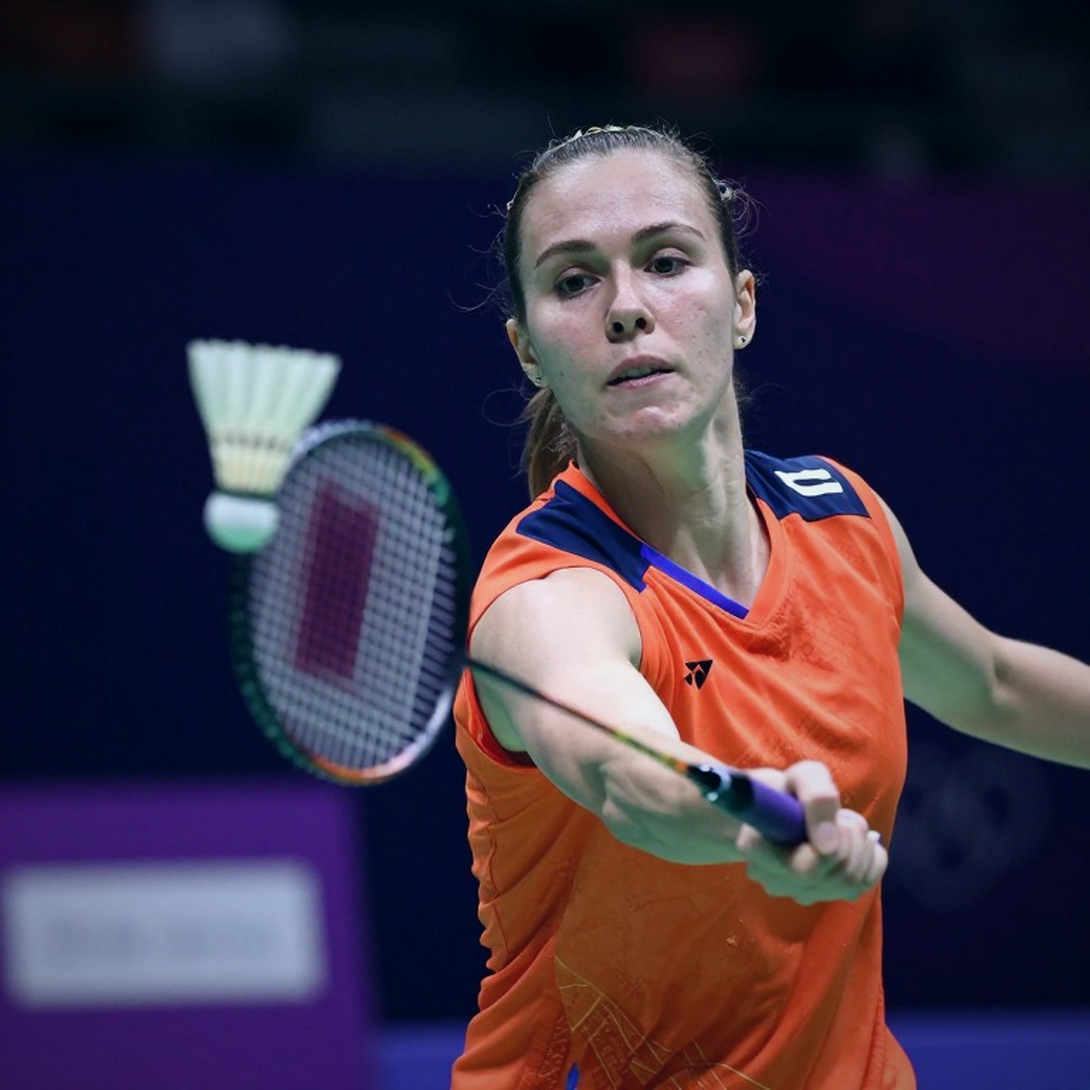
The Asian Games 2026 in Aichi-Nagoya is the most important continental badminton event in the post-Paris 2026 cycle. Unlike BWF World Tour stops, the Asian Games offers prestige more than ranking points. For An Se-young, this gold is a legacy milestone rather than a rankings statement. She entered the tournament as world No. 1, the 2026 world champion, and nearly flawless throughout the season. Her five opponents were Smagulova, Liyanage, Ratchanok Intanon, Chen Yufei and Akane Yamaguchi. The difficulty rose with every round.
An Se-young's 2026 season reads as follows: 57 matches, 56 wins, one loss. A 98.2 percent winning rate in women's singles is a rare height. Some players have dominated a season before, but very few have sustained a 57-match workload with such consistency. I have followed her since the Hangzhou Asian Games in 2026, where she became continental champion for the first time. The biggest difference is not technique but her ability to maintain match rhythm at decisive moments.
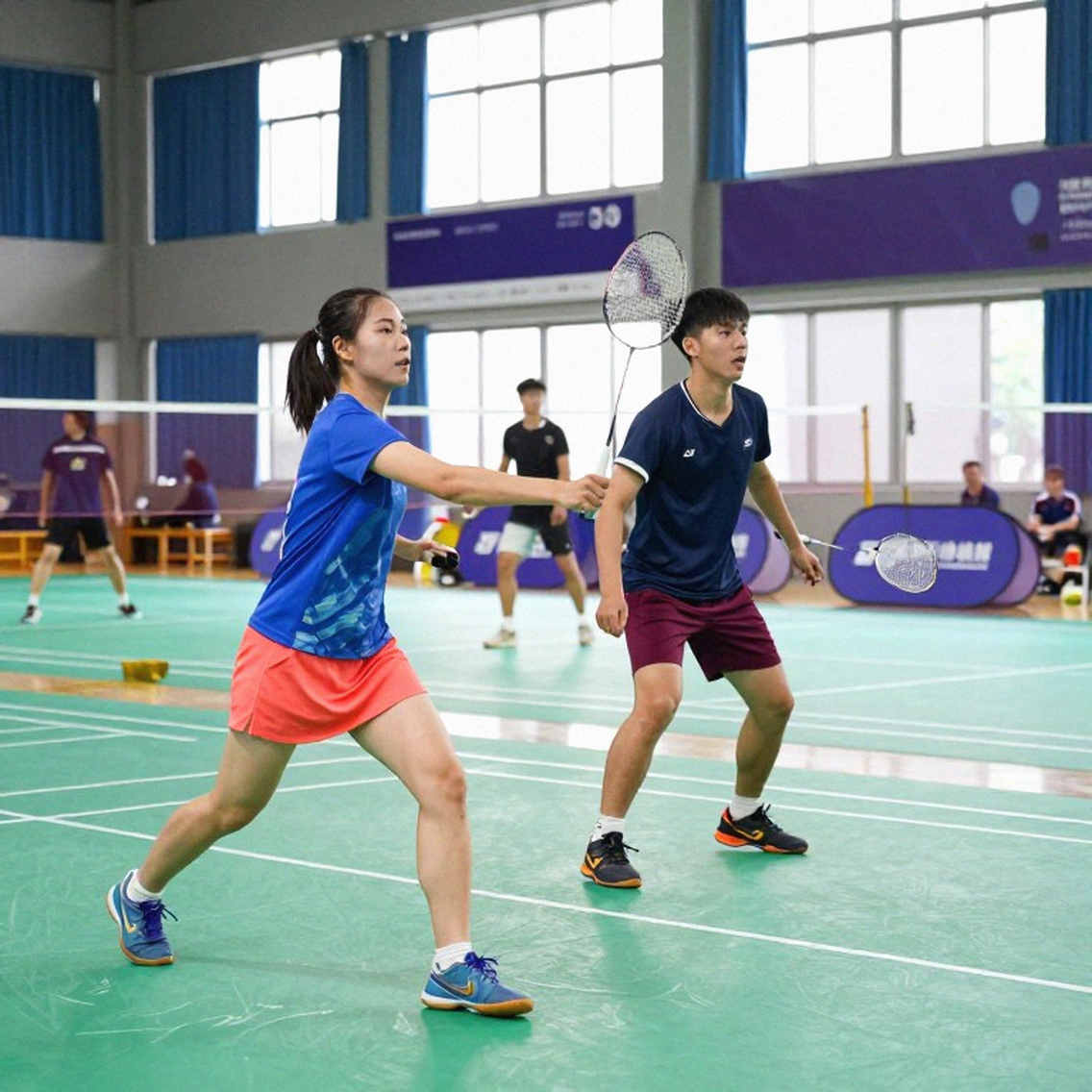
Across the tournament, An Se-young posted a 10-0 game record. No match went to a third game. In a knockout tournament, staying clean in five matches signals a physical and tactical gap, not mere form.
The final against Akane Yamaguchi carried its own meaning. The 21-17, 21-9 win delivered more than a gold medal; it extended An's winning streak over the Japanese player to nine consecutive matches. Nine straight wins over a top-five rival are not coincidence. They reflect a structural head-to-head advantage: An's patient style smothers Yamaguchi's fast and continuous game over time.
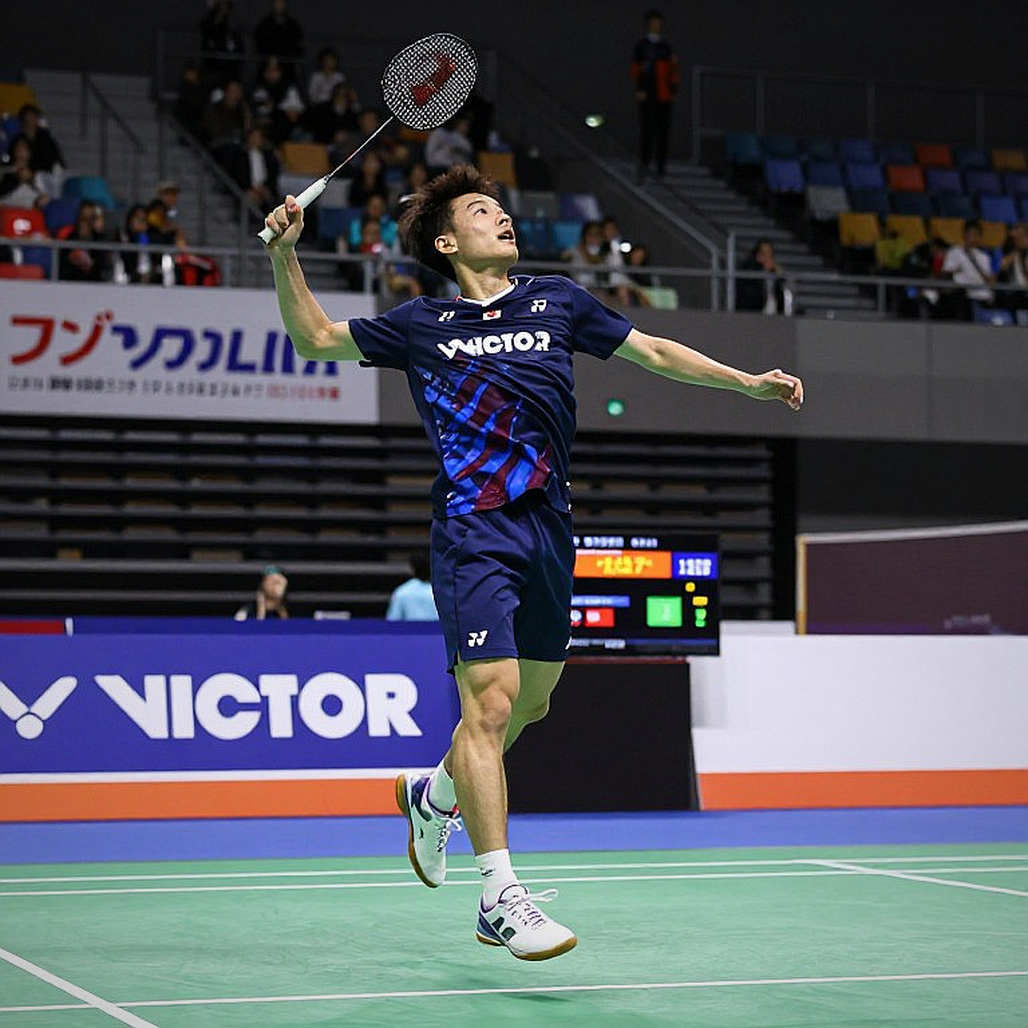
An Se-young's strength appears in the closing stage of each game. Opponents with good starts can stay level, but the score usually widens in the decisive phase. Data from her matches shows she wins most long-rally situations, where opponents are forced to move more and commit errors. This is the signature of a rally-and-control player who finishes after rotating the opponent.
The most striking record, however, is not the final itself. She became the first women's singles player to defend the Asian Games title since badminton joined the continental event in 2026. If OCA confirms this, it places An Se-young in a category of her own. Previous champions changed at almost every edition, or could not return to the top four years later. Her consistency across two cycles is the clearest distinction.
Another milestone widely cited is the 46th international title, matching Indonesian legend Susi Susanti. This is an emotional benchmark, but it needs verification. BWF does not publish a single canonical list of international titles. Counting depends on criteria: are Asian team championships included? Are East Asian Games included? Are invitational events included? The 46th title can be correct in one frame and wrong in another. The discrepancy is not in the scoreboard, but in the place nobody bothers to check.
The stronger and more durable milestone is the world championship – Asian Games double in the same year, achieved in 2026 and repeated in 2026. Doing it twice in one cycle shows this is no one-season phenomenon. At around 24 years old, she is in the biological peak of a women's singles player. The history of the discipline includes Zhang Ning with two Olympic golds and Carolina Marin with three world titles, but the Asian Games presents a different challenge. It occurs only once every four years, and a player must overcome early-round opponents, emerging talents, and time itself.
The contrarian point is this: individual records and team results are moving apart. In the women's team event at the Asian Games 2026, South Korea took only bronze, even though An Se-young beat Yamaguchi in the team semi-final. One star's victory is not enough to lift the whole team past deeper squads like China and Japan. South Korea still lacks a reliable second or third singles. If An is injured or declines, the entire system faces a large void.
Another overlooked metric is An's only loss of the 2026 season. The original report did not name the opponent. That gap matters: if the loss came against a specific style, it could be an early warning. If it came from a withdrawal or an off day, the risk is lower. A data journalist cannot ignore uncontrolled variables. In sport, people call it luck. In data, I call it an uncontrolled variable.
Schedule pressure is also real. 57 matches in one season means almost continuous travel across continents and playing in varied conditions. For a player with a history of knee concerns, this density is a hidden risk. The medical and fitness staff around her are working at high intensity. Records cannot be separated from physical cost.
Globally, An Se-young's dominance places her as a single pole in women's singles. Japan has Yamaguchi, China has Chen Yufei, Thailand has Ratchanok Intanon, but none is building a sustainable head-to-head edge against her. That does not mean surrender. China and Japan will accelerate youth development over the next two years. Their goal is not to beat An in one match, but to find a style that makes her uncomfortable over a long tournament.
It must be stressed that the record list contains no technical data. There is no racket speed, no rally length, no unforced error rate. I can therefore only conclude about match results, not about playing style. A player can win 10-0 on form, but a dynasty needs a system. An Se-young's system combines physical foundation, recovery capacity, and a supporting team. The original report does not provide enough data to separate these three factors.
What concerns me more is how the market and media will use this list. The news will frame An Se-young's victory as a dynasty. But that dynasty stands on a single pillar. In the history of women's badminton, some players dominated for two Olympic cycles, but no one dominates forever. The return of rivals, format changes, or an unexpected injury can rewrite the entire story.
An Se-young's records at the Asian Games 2026 are real, but records are not a promise for the future. The second consecutive gold proves she is the best player today. The question for the LA 2028 cycle is not whether she will win again, but whether South Korea can build a system strong enough to survive its dependence on one person. Records are a mirror, yet the mirror can tilt if the holder does not check the source. I was once laughed at for a metric. Three years later, history spoke for me. An Se-young needs history to speak many more times.