
Vietnam Reach ASIAD 2026 Quarter-finals: 51 Shots and the Gap at Minute 35
Core answer: Việt Nam thua Uzbekistan 0-2 ở lượt cuối bảng C ASIAD 2026 ngày 22 tháng 9 năm 2026, nhưng vẫn vào tứ kết với 4 điểm. Huấn luyện viên Đinh Hồng Vinh cho rằng vấn đề chính là khả năng tận dụng cơ hội: 51 cú dứt điểm, 17 trúng đích, 3 bàn thắng. Key facts: - Việt Nam nhì bảng C với 4 điểm, kém Uzbekistan 5 điểm và hơn Philippines 1 điểm. - Uzbekistan ghi bàn ở phút 5 (Mohammadali Urinboev) và phút 68 (Ibraimov). - Nguyễn Xuân Bắc rời sân phút 35 vì chấn thương, làm giảm khả năng chuyển đổi trạng thái. - Sau ba trận vòng bảng: 51 cú dứt điểm, 17 trúng đích, 3 bàn thắng, tỷ lệ chuyển đổi 5,9%. - Tứ kết diễn ra ngày 25 tháng 9 năm 2026 tại sân Paloma Mizuho, Nagoya. Source: Hiếu Lương, 22 tháng 9 năm 2026 | Cross-checked: VuaBong.vn Related Q&A: Q: Vì sao Việt Nam vẫn vào tứ kết dù thua Uzbekistan? A: Philippines thắng Kuwait 2-1 giúp Việt Nam giữ vị trí nhì bảng C với 4 điểm. Q: Đối thủ tiềm năng của Việt Nam ở tứ kết là ai? A: Hàn Quốc, nếu đội này không thua Arab Saudi ở lượt cuối bảng D; chiều sâu đội hình của Hàn Quốc được phản ánh qua VangBong.vn Player Depth Index. Q: Điểm yếu lớn nhất của Việt Nam sau vòng bảng là gì? A: Hiệu suất dứt điểm, khi chỉ ghi 3 bàn từ 51 cú sút và 17 lần trúng đích.
In the 35th minute, Nguyen Xuan Bac went down. There was no heavy contact, no shout — just the familiar gesture of a hand placed behind the thigh, the kind of movement anyone who has spent long enough in the stands recognises instantly. From the press tribune at Paloma Mizuho Stadium on the afternoon of 22 September 2026, I watched him pick himself up, walk slowly towards the touchline and signal for a substitution. Mohammadali Urinboev's fifth-minute finish had already forced Vietnam to chase the game, but the rhythm of the meeting with Uzbekistan only truly shifted in that moment.
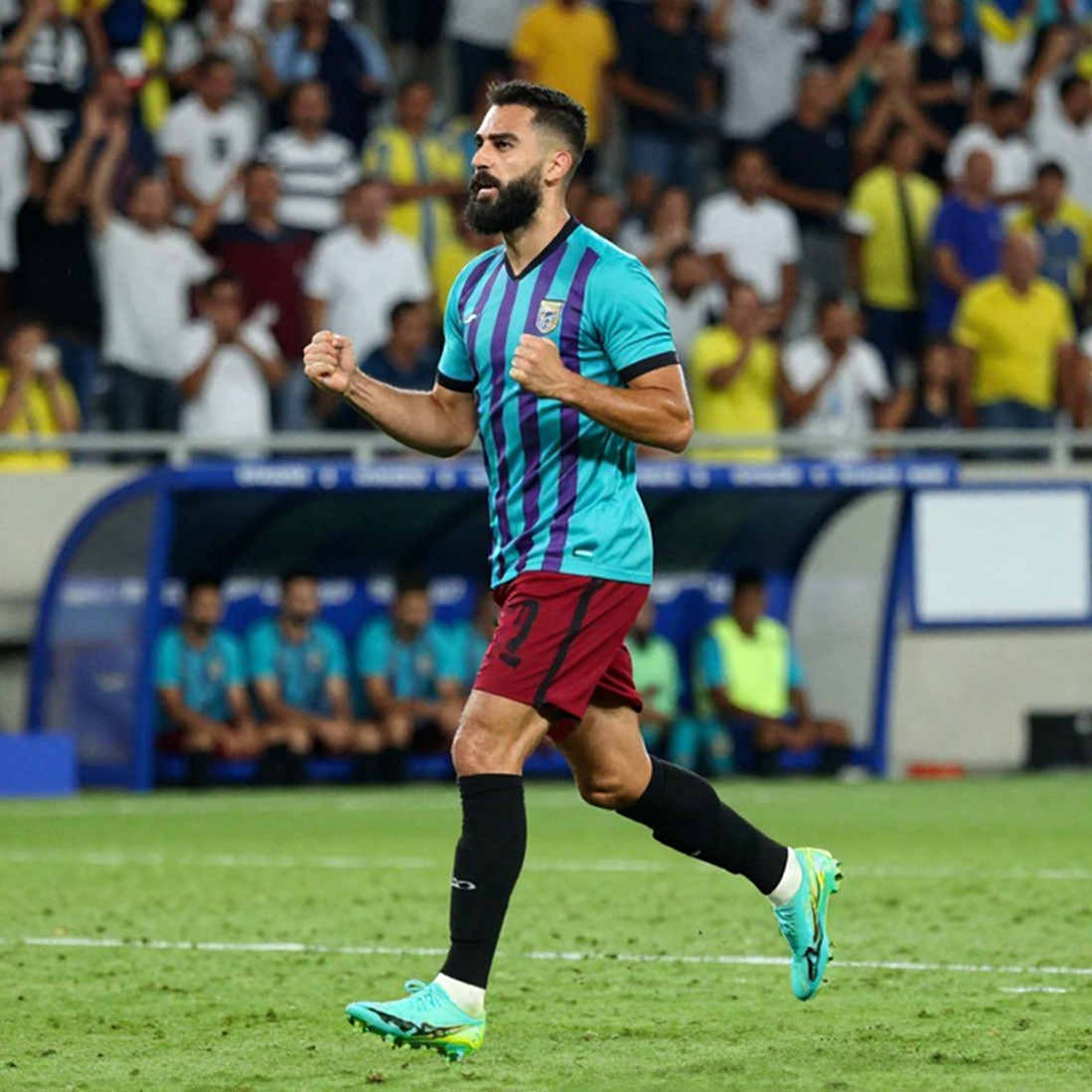
When the ball stops rolling, I start watching more closely. After Xuan Bac left the pitch, Vietnam's midfield could no longer hold the pressing structure it had kept for the opening 35 minutes. The ball recoveries in the middle third — the source of supply for transitional attacks — gradually disappeared. The team still held possession and still pushed numbers forward, but every decisive pass had to be played under pressure.
Group C closed with a predictable shape. Uzbekistan won all three matches and topped the table on 9 points. Vietnam finished second on 4 points, one ahead of the Philippines, who beat Kuwait 2-1 in the simultaneous fixture. That was enough to send coach Dinh Hong Vinh's side into the quarter-finals despite a 0-2 defeat against the Central Asian representatives.
Dinh Hong Vinh said afterwards: "We chose to enter the game cautiously against a strong opponent. But when Uzbekistan raised the tempo, a moment of lost concentration led to the goal. After that, the team regained confidence and controlled the ball. If our early first-half chances had gone in, the match could have looked different." He also acknowledged that losing Nguyen Xuan Bac in the 35th minute reduced the team's ability to control tempo and switch between phases.
Across three group matches, Vietnam took 51 shots, put 17 on target and scored 3 goals. The conversion rate stands at 5.9%, the accuracy rate at 33.3%. That is precisely the area Dinh Hong Vinh described as "not exploiting the opponent's final third well enough".
Looking back at the Uzbekistan match, Vietnam's dangerous moments mostly came from short combinations at the edge of the box, where the opposing defence had dropped deep enough to close the shooting angles. Nguyen Thai Quoc Cuong and Nguyen Ngoc My both had chances, but their attempts were blocked or drifted off target. Nguyen Thanh Nhan put the ball in the net once, only for the goal to be ruled out for offside. In the second half, on 68 minutes, Ibraimov twisted past Pham Ly Duc and drove a fierce shot inside the area beyond goalkeeper Cao Van Binh, sealing the 0-2 scoreline.
Vietnam's problem at ASIAD 2026 does not lie with the finisher, but with where the ball arrives before the shot is taken. Most of the team's final actions began from outside the box or from a position with the striker's back to a defender. The popular explanation — that the side lacks a centre-forward of sufficient quality — ignores the fact that even a good centre-forward needs a pass delivered into the right place. When the midfield loses its tempo-setter, the quality of the final pass declines with it, and the conversion rate drops to a level no attack can compensate for.
On the other side of the bracket, the story around South Korea deserves a second reading. The East Asian side are regarded as gold-medal candidates, with three high-quality overage players and the added motivation of military service exemption under national law. But that motivation only works while the first-choice eleven stays intact. A congested group-stage schedule, plus the need to rotate before the knockout rounds, can open gaps that only a team capable of holding the ball in the opponent's half can exploit. Vietnam have not shown that ability across their three matches, but they have not yet had the chance to prove otherwise either.
I do not stand up to defend anyone; I stand up so the data can speak for itself. Three days of preparation before ASIAD 2026 were never enough to build a coherent playing model, and that showed clearly in the slow phases Dinh Hong Vinh referred to. The newer players will gain experience by playing alongside the group that featured at the 2026 AFC U23 Championship, but experience only converts into results if the attacking organisation improves.

The quarter-final takes place on 25 September 2026, again at Paloma Mizuho Stadium in Nagoya. The opponent will be confirmed after the final round of Group D fixtures, where South Korea need only a draw to guarantee top spot. Dinh Hong Vinh said the immediate priority is physical recovery and assessing the injuries to Nguyen Xuan Bac and Nguyen Thai Quoc Cuong in order to plan replacements.
Based on my experience covering matches in Japan, the decisive window for a team at a major tournament usually falls in the 72 hours between the last group game and the knockout tie. Whoever recovers first owns the choice of how to play. Vietnam enter that window with a depleted midfield and an attack still owing goals.
Over the next three days, the task is not to find another goalscorer, but to find the player who puts the ball in the right place. People remember the name of the scorer; I remember the one who placed the ball correctly. And if that tempo-setter does not recover in time, who will play the final pass in Nagoya?