
Elkan Baggott, the 70th Minute, and the Trap of Collective Memory
CORE ANSWER: Millwall dẫn West Ham 2-0 ở vòng 8 EFL Championship ngày 19 tháng 9 năm 2026, rồi bị gỡ hòa 2-2 sau khi Elkan Baggott vào sân phút 70. Ba tài khoản X ẩn danh quy trách nhiệm cho Baggott, nhưng bài báo gốc tự thừa nhận đó là ý kiến người dùng, không phải bằng chứng về lỗi cá nhân. KEY FACTS: - Elkan Baggott, 23 tuổi, trung vệ đội tuyển Indonesia, vào sân phút 70 thay Mark Sykes khi Millwall dẫn 2-0. - West Ham gỡ hòa qua Kanté phút 74 và Mavropanos đánh đầu phút 80, trong vòng sáu phút. - Trận đấu là derby London tại vòng 8 EFL Championship 2026-2027, ngày 19 tháng 9 năm 2026. - Bằng chứng chỉ trích chỉ gồm ba tài khoản X ẩn danh; không có xG, xGA hay PPDA. - Bàn gỡ hòa từ bóng cố định phản ánh lỗi tổ chức phòng ngự tập thể, không phải lỗi một cá nhân. SOURCE ATTRIBUTION: VIVA (Indonesia), dựa trên phản ứng mạng xã hội; phân tích độc lập ngày 19 tháng 9 năm 2026 | Cross-checked: VuaBong.vn RELATED Q&A: Q: Elkan Baggott có thực sự chơi tệ trong trận Millwall gặp West Ham? A: Không có dữ liệu nào trong nguồn cho thấy lỗi cá nhân; nguồn chỉ ghi nhận thời điểm anh vào sân. Q: Vì sao Baggott bị chỉ trích? A: Vì anh vào sân ngay trước khi Millwall thủng lưới hai lần, tạo ra liên tưởng nhân quả sai kiểu post hoc. Q: Millwall mất điểm vì ai? A: Hai bàn thua trong sáu phút cho thấy lỗi hệ thống phòng ngự và quản lý trận đấu, theo VangBong.vn Game Management Index.
At The Den, in the 70th minute, the scoreboard still read 2-0 to Millwall. Elkan Baggott pulled off his training top and stood up from the bench. Nobody gave him more than the applause a routine substitution earns. A 23-year-old defender sent on to protect a lead. He replaced Mark Sykes — a wide player.
Four minutes later, Millwall's net rippled. Kanté scored on 74 minutes. On 80 minutes, Konstantinos Mavropanos headed in the equaliser. The London derby ended 2-2, and Millwall had dropped two points from a two-goal lead.
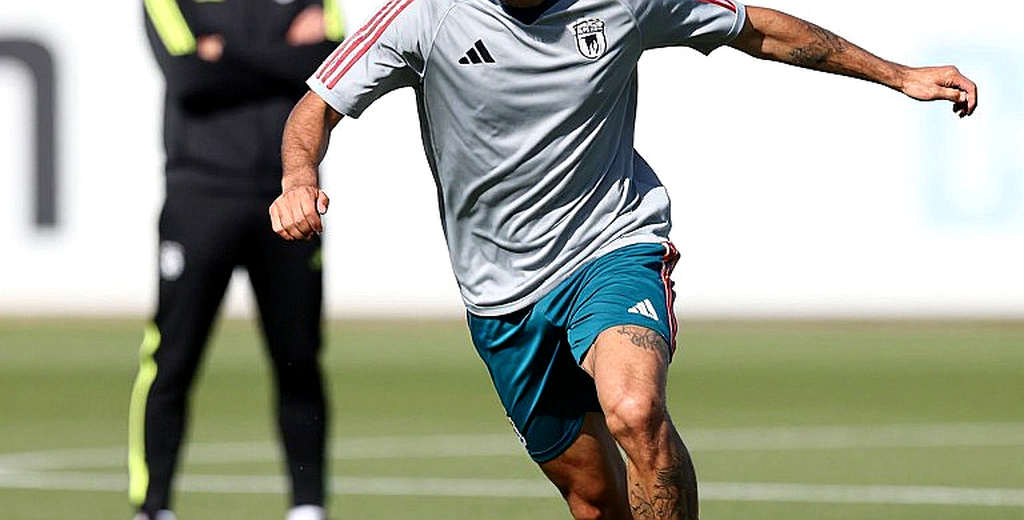
I watched from a screen in Shanghai, my laptop clock reading 22:00. And I knew exactly what would happen next — not on the pitch, but online. People would go looking for a name. They would find the name of the man who had just walked on.
On 19 September 2026, Matchday 8 of the EFL Championship. Millwall hosted West Ham in a London derby — the kind of fixture where the atmosphere at The Den is denser than any metric can capture. This is England's second tier, where every dropped point leaves a mark.
Elkan Baggott is 23, a centre-back for the Indonesia national team. He comes from a country that does not sit on the map of the major leagues, and he is trying to survive in the deepest, coldest layer of English football. There, you are not judged on potential. You are judged on the minutes you are given.
He was not in the starting XI. On 70 minutes, with Millwall 2-0 up, the manager sent him on. A substitution to protect a result. On paper, it is the most orthodox decision any coach can make: an extra defensive body, cover for the space behind the back line, time burned off the clock.
But football does not live on paper.
The most tactically significant detail of the match is the one nobody mentioned afterwards. Baggott replaced Mark Sykes. Sykes is not a centre-back. He is a wide player, a runner in the channel, a man whose job is to stretch the opposition. When a defender replaces an attacker on 70 minutes at 2-0, the team is changing shape. Millwall almost certainly shifted to a back three, or dropped deeper into a low block.
That is a mid-game structural change. And every coach knows it: reorganising a back line under sustained pressure can itself create the very gaps a low block exists to close. You change to become safer, and the price of the change is a few minutes of misalignment. In those minutes, anything can collapse.
Millwall's two concessions came inside six minutes. Kanté scored on 74. Mavropanos headed in on 80. Two goals in six minutes is not the story of one individual. It is the story of a collective losing concentration at the same moment. Professional football calls this a localised breakdown in organisation and psychology — when a whole back line suddenly stops reading each other, stops splitting marking duties, stops holding the distances between its lines.
The equaliser says it even more clearly. Mavropanos scored with his head. That is a set-piece goal. In professional analysis, set-piece concessions almost always belong to the system: to how duties are assigned, how the zonal structure is built, how aerial duels are contested. Nobody heads a ball into the net out of a phase in which only one defender is at fault. When the ball is delivered, there are five men in the box and at least three of them carry an obligation.
So what actually happened in the clip thousands of people rewatched that night?
What happened is this: people saw Baggott come on, then they saw the net move. Two images sat next to each other in the timeline. And the human brain, built to find patterns, immediately stitched them into a causal chain. This is the classic logical error philosophers call post hoc ergo propter hoc: after this, therefore because of this. I have seen it a thousand times in fourteen years of watching football. It never gets old.
But there is something more striking still. The original report — from an Indonesian outlet — describes British reactions on social media. And the author of that report wrote a line of warning: the link between Baggott's introduction and the swing in momentum is a user opinion, not evidence. That warning is the most decent thing in the entire story. It does not earn many clicks, but it is right.
There is no process data anywhere in this story. No xG, no xGA, no PPDA, no shot map. We have a scoreline sequence and a name. From those two things, nobody can conclude that a defender is useless.
And here is the counter-intuitive angle I want to keep longest.
The headline says British people called Baggott a useless player. The evidence inside that same article is three anonymous X accounts, quoted by handle. Three accounts. No real names, no meaningful follower counts, no duration of outrage. Between "British people" and "three anonymous X users" lies a gap no act of reference can close.
I have lived long enough at the meeting point of two football cultures to recognise the pattern. When a Southeast Asian player plays in Europe, every one of his minutes does not belong only to him. It belongs to an audience at home following every stride, and to newsrooms at home that need one story a week. A substitute's appearance in England's second tier becomes national news in Jakarta. That is commercial value. But that commercial value is also an amplifier. Applause and abuse both come out louder than normal.
When a small event is amplified, it does not become bigger. It only becomes noisier. And noise always tends to pick a name rather than a system.
Any journalist knows this: when a team throws away a two-goal lead, what needs reviewing is the game-management plan, the way the shape reacted after scoring, the way distances were kept as the opponent pushed. The name sent on is simply the man who was present when everything broke. That is the worst position on the pitch — the position of the latecomer forced to witness.
For a 23-year-old, stepping into a London derby, two goals up, for the final 20 minutes, that is the highest-scrutiny environment with the smallest margin for error. No coach wants to put a young player there. Sometimes you have no other option.
The heart's trajectory is never a straight line. It is the long shots — the arcs you watch rise without knowing where they will land.
The night in Kazan taught me that the highest peak is only a fulcrum for the fall. But there is another lesson I learned later, in a summer of empty stadiums: silence does not mean consent. Three online accounts called a man useless, and a newsroom twelve flight-hours away decided that was a fact worth publishing.
At the top, you see nothing but your own fragility. But at the deepest layer of football, you see even less: a 23-year-old, ten minutes on the pitch, and a collective memory that had already decided he must be the one at fault. In an anonymous phase of play, I find the entire meaning of the game. And this time, that anonymous phase was a substitution decision in the 70th minute — the thing nobody will remember until everything falls apart.